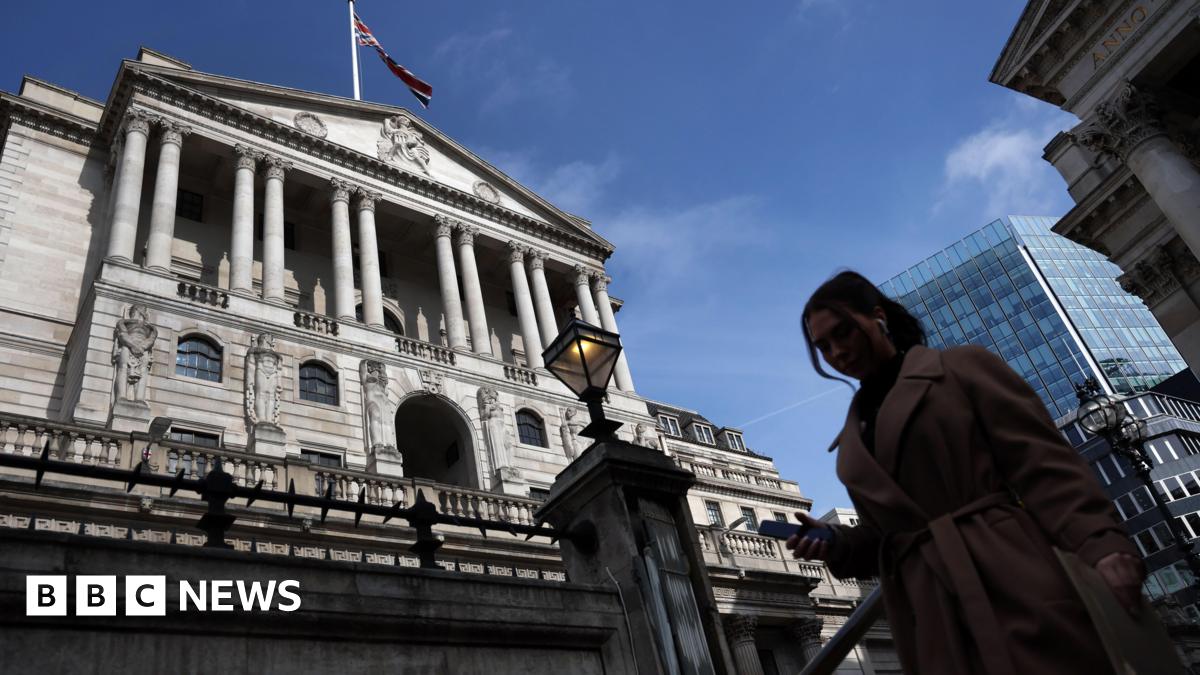
Bank of England Holds Interest Rates at 4%
#bank_of_england #inflation #monetary_policy #economy #budget
Bank of England keeps the base rate at 4% as inflation cools, signaling a cautious path for future rate moves.
The **Monetary Policy Committee (MPC)** is a key decision-making body within a country’s central bank responsible for formulating monetary policy, primarily by setting benchmark interest rates such as the repo rate. Its main mission is to control inflation and stabilize the economy by regulating the money supply and borrowing costs. The MPC plays a vital role in maintaining price stability, supporting sustainable economic growth, and managing exchange rates[1][3][4]. The concept of an MPC was introduced to bring transparency, accountability, and collective decision-making into the monetary policy process, which was previously dominated by the central bank governor alone. For example, India’s MPC was constituted under the Reserve Bank of India Act, 1934, to fix policy rates through a committee of experts including the RBI Governor and external members, meeting at least four times annually to publish policy decisions and rationale[1]. Similarly, the Bank of England’s MPC, established in 1997, comprises nine independent members including the Governor and external experts appointed by the government, meeting eight times yearly to set the official Bank Rate and guide monetary policy[3][5][7]. The Federal Reserve's equivalent body is the Federal Open Market Committee (FOMC), which also uses tools like open market operations and reserve requirements to influence the economy[6]. Key achievements of MPCs worldwide include institutionalizing systematic inflation targeting, enhancing policy transparency through published minutes and forward guidance, and improving economic stability by effectively managing interest rates during financial crises and growth cycles. For instance, the UK's MPC has been credited with anchoring inflation expectations and contributing to economic resilience through careful rate adjustments and quantitative easing measures[3][7]. Notable aspects of MPCs include their independence from direct political influence, the diversity of expertise among members, and their use of a broad data set to forecast inflation and economic trends with a medium-term perspective. They communicate decisions publicly to provide clarity and reduce market uncertainty, making them central to modern economic governance[1][4][5]. The
#bank_of_england #inflation #monetary_policy #economy #budget
Bank of England keeps the base rate at 4% as inflation cools, signaling a cautious path for future rate moves.